
Trivia Question❓What year did Johns Creek become a city? Answer at the bottom of the newsletter |
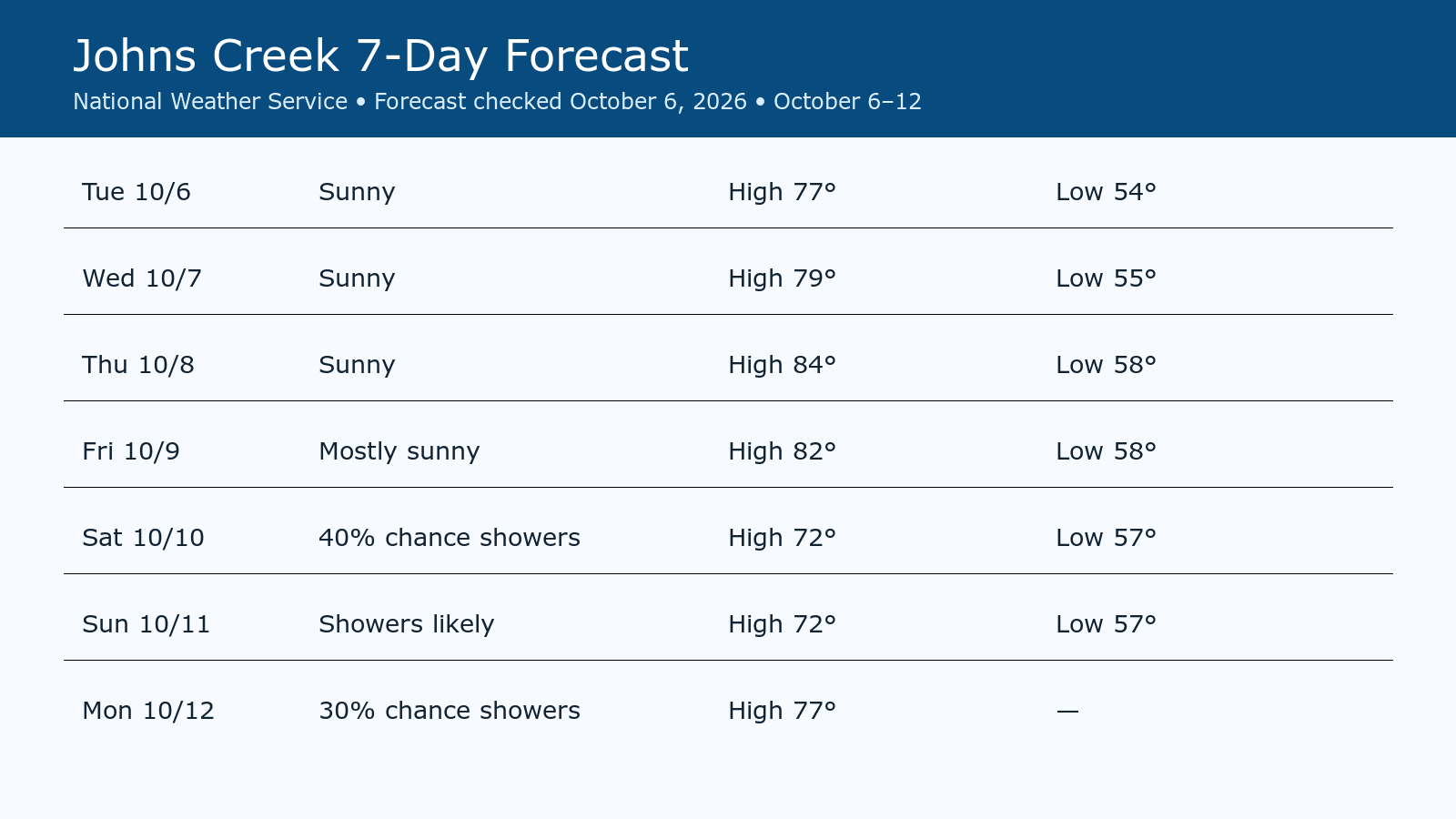 Johns Creek 7-day forecast from the National Weather Service, checked October 6, 2026; forecast period October 6–12, 2026. |

 Recent News — Johns Creek reporting for the October 7 issue. |

Johns Creek voters can cast advance ballots October 13–30 before the November 3 general and special election.
Nearby options include Northeast Spruill Oaks Library, Robert E. Fulton Library at Ocee, and the Johns Creek Environmental Campus in the county’s service area. Regular hours are 7 a.m.–7 p.m. weekdays, 9 a.m.–5 p.m. Saturdays, and noon–5 p.m. Sundays.
The ballot includes a proposed 0.75 percent Fulton County transportation SPLOST. Check Fulton County’s official election resources for current locations, registration information, absentee-ballot guidance and identification requirements before leaving. Read More... |
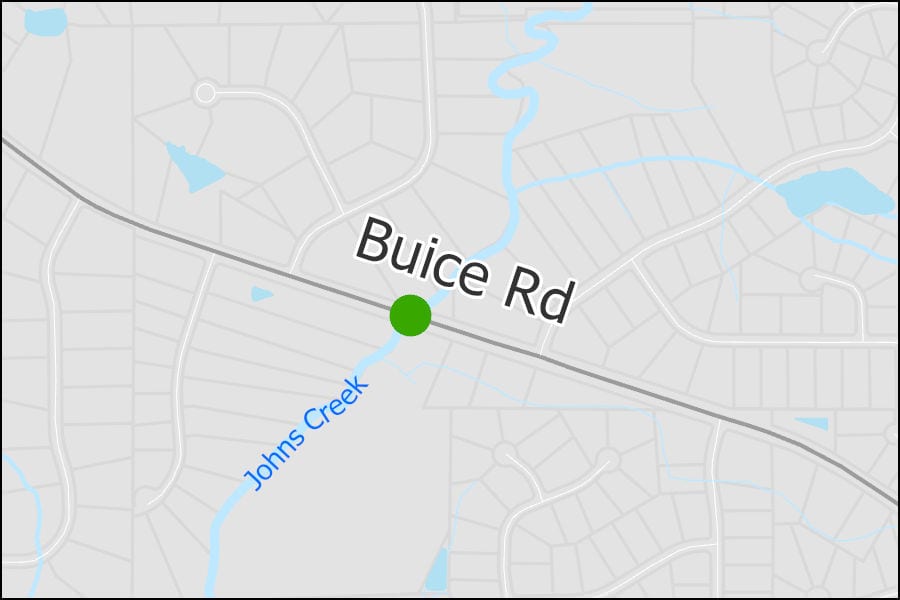
Buice Road’s bridge over Johns Creek remains closed to through traffic while the city and Georgia Department of Transportation replace the crossing.
The closure began March 9. Drivers should continue using Spruill Road and Old Alabama Road as alternate routes while the project raises the bridge in a flood-prone area, widens the crossing and adds pedestrian facilities tied to nearby trail and sidewalk work.
The city still lists completion in fall 2026, but no reopening date is confirmed. Check the official bridge page, project-progress dashboard and construction map before planning a cross-city trip. Read More... |

Johns Creek’s October 10 calendar offers a volunteer morning, a family Halloween event and an evening school commitment.
Daffodils4Hope’s Dig Day begins at 9 a.m. near the pickleball courts at Cauley Creek Park, where volunteers will plant daffodils along the 5K trail. Bring gloves, knee pads and a trowel if possible; children attending without a parent or guardian need a signed waiver.
Autrey Mill’s 17th annual Spooky Mill runs 2–9 p.m. at 9770 Autrey Mill Road. Johns Creek High School also lists its homecoming dance from 7–10 p.m. Confirm event details, parking and capacity with the official organizer pages before leaving. Read More... |
 Local Events — Johns Creek community events for October 10. |
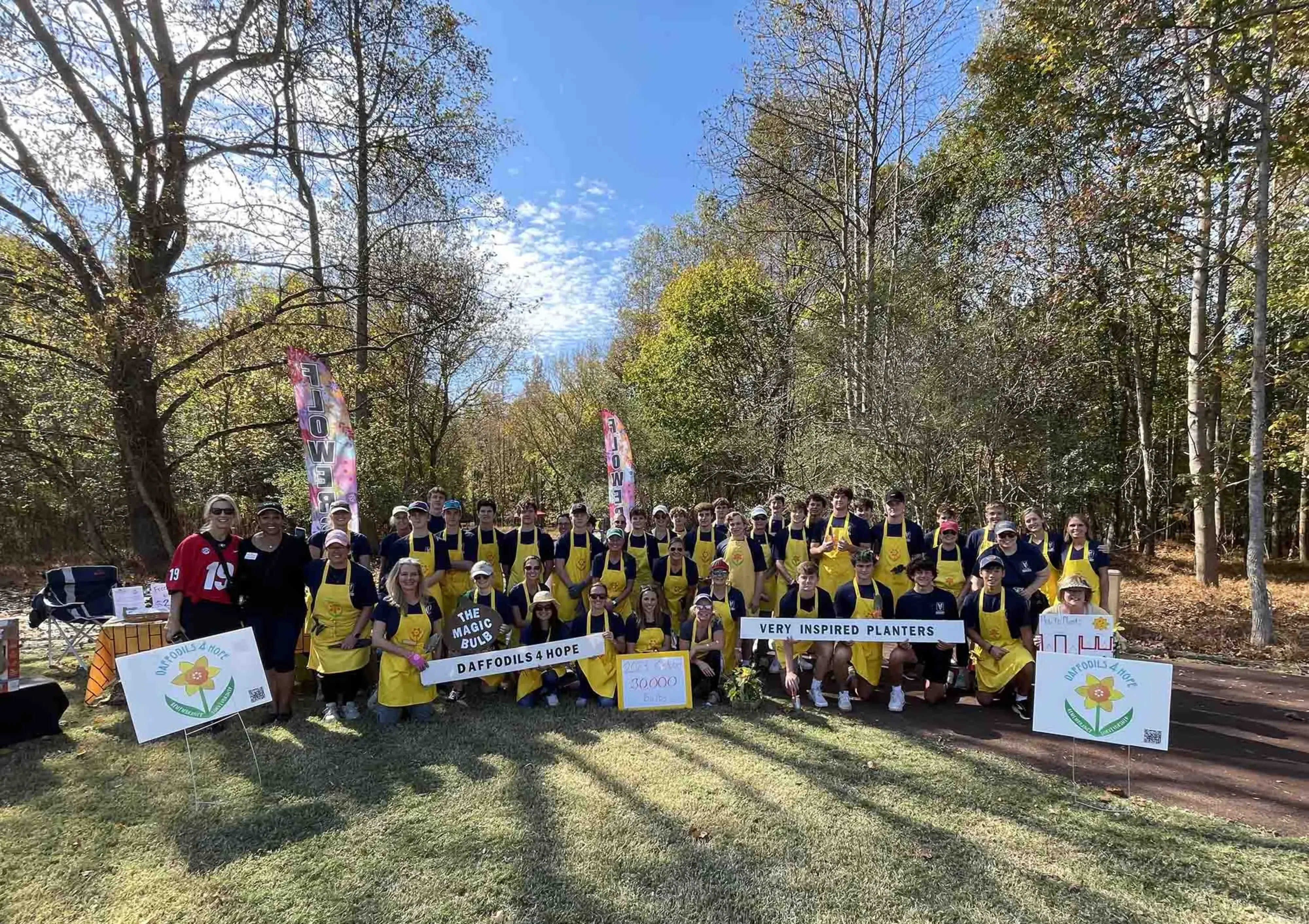
Volunteer planting near the pickleball courts at Cauley Creek Park. Bring gloves, knee pads and a trowel if possible. Under-18 volunteers need a signed parental consent waiver. |

Autrey Mill Nature Preserve’s 17th annual Halloween event at 9770 Autrey Mill Road. The official page lists carnival games, seasonal crafts, a haunted hike, exhibits and concessions. Confirm admission, parking, age guidance and capacity before leaving. |

The City of Johns Creek Police Department and Recreation & Parks host this free family Halloween event at City Hall. Expect decorated trunks, candy, food trucks and vendor booths; check the city page for current parking and road-closure details. |
 Business Spotlight — Johns Creek local restaurant features. |

|
|
|
|
💡 Answer to Trivia Question: 2006 |